“Learning to Listen”
July 24, 2026 - 5 Comments
Friday, July 24:
We started the day having seen two of the Big Five with high hopes for seeing a rhino, Cape buffalo, and lion in our remaining time in the park. But we have already been wowed by many other amazing African animals, so we were excited for whatever encounters we have while in Kruger! Each of us are simply trying to take it all in while processing with each other. Such an amazing opportunity all around.
Half the group started the day at 5 am with a bush walk while the sun came up. We learned about animal tracks and poop while also being wowed by some wildlife sightings. We were so thankful to be guided by Pelsy (one of only about 15 female rangers in the park) and Lucky and to learn from their expertise. Pelsy started by sharing “We must allow the bush to communicate with us.” We hope we are good listeners!
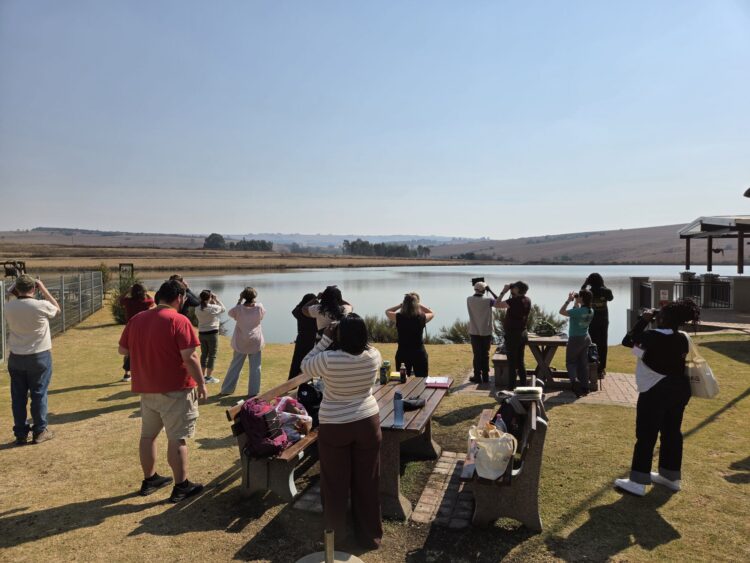
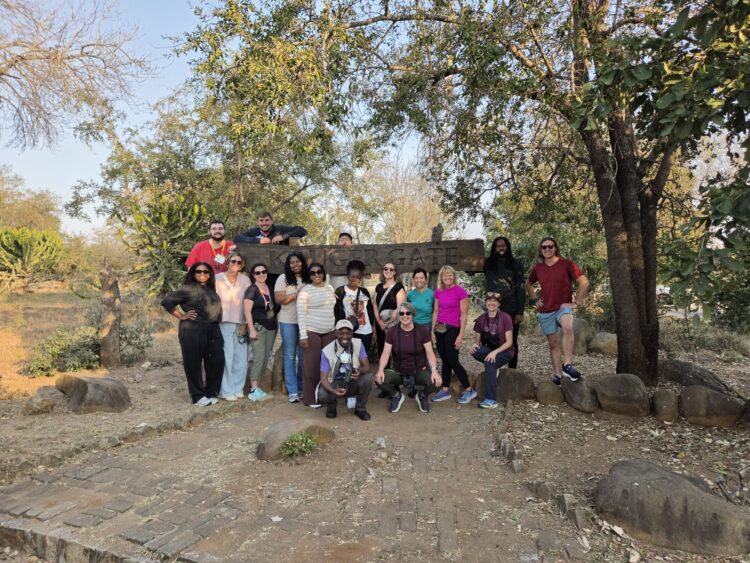
The full group gathered together and packed to move to our next location in Kruger. Of course, riding through the scrub forest with passionate teachers takes a long time while we look for all the things we can absorb in the lowveld (the term for this low-lying, subtropical, semi-arid habitat).
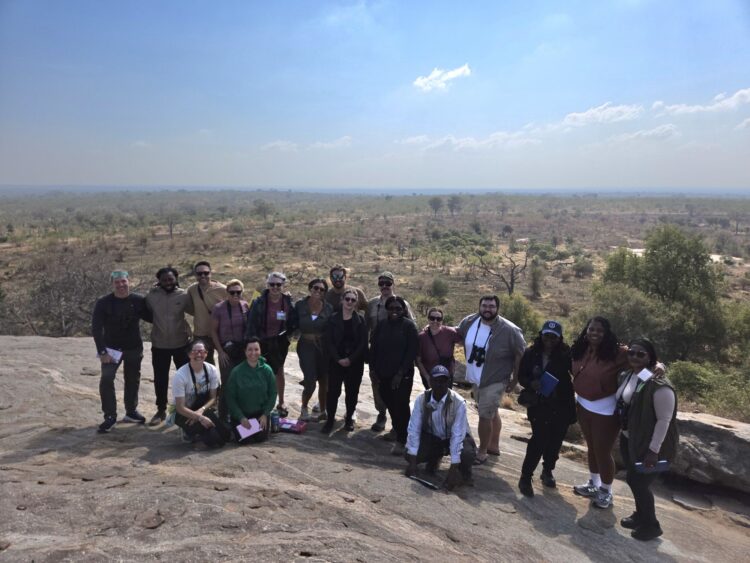
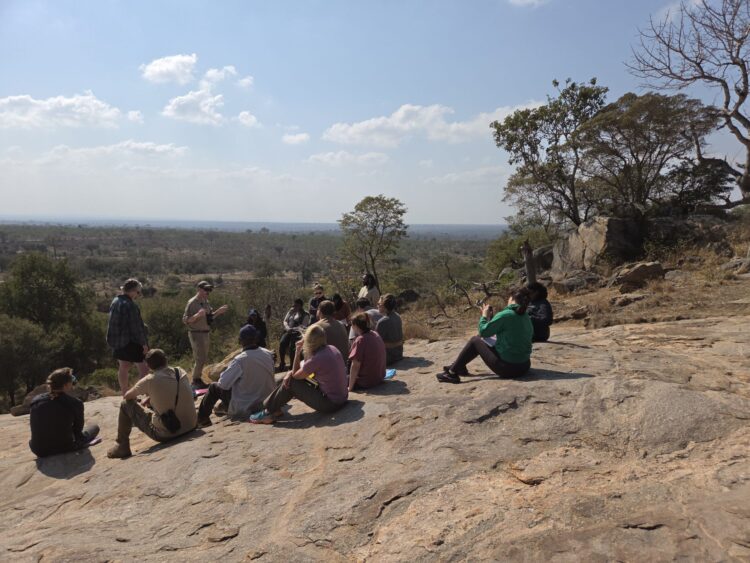
The vans climbed to the top of Mathekenyane Lookout where we took in a panoramic view of the park. Dr. Christian Kammerer delivered a geology lesson for us on top of this big granite rock. Of course, 30 seconds in, we spotted warthogs chasing impalas and we were all distracted for a few minutes. But then we focused and learned from his expertise.
After more driving and animal sightings (including, finally an African hoopoe!), we stopped at Afsaal for lunch and a lesson on the Little Five through an improv skit created by Sayrd.
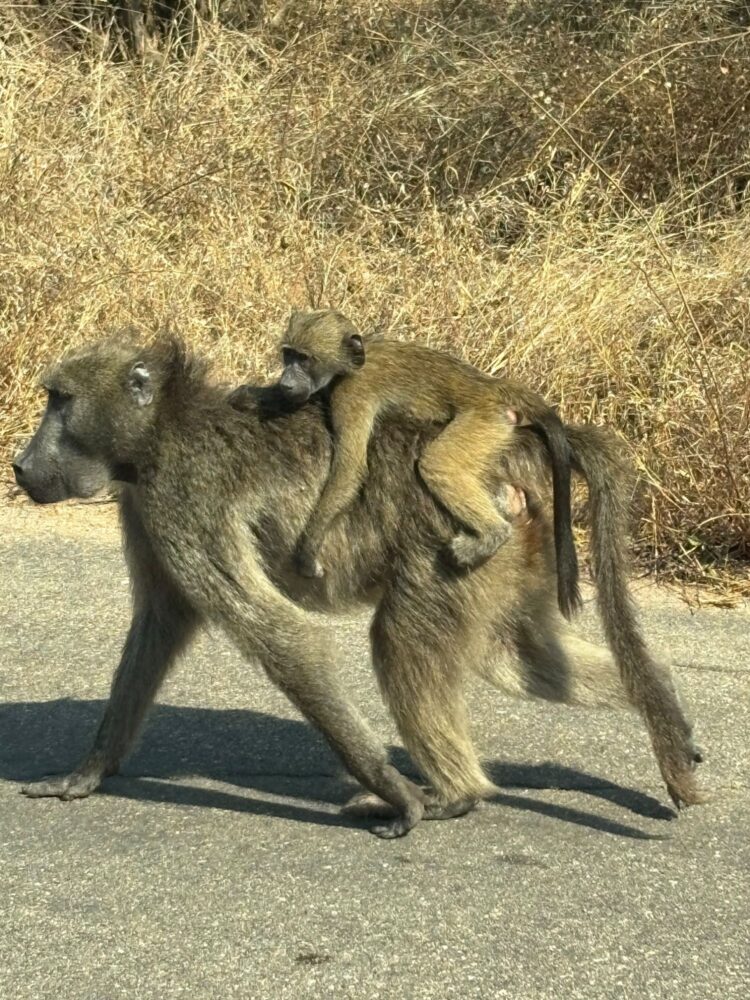
Back in the vans, traveling on, we were amazed by zebras running, giraffes eating, and a herd of Cape Buffalo resting in the bush! Number 3 for us of the Big 5!
After more driving and animal sightings (including, finally an African hoopoe!), we stopped at Afsaal for lunch and a lesson on the Little Five through an improv skit created by Sayrd.
We arrived at Berg-en-Dal, our base for the next two nights, and got settled in to experience two more days of South African wildlife.
We are realizing that it isn’t about accomplishing a checklist of wildlife observations; but rather having an experience that will change us, make us better educators, and allow us to transfer knowledge and processes to our students.